
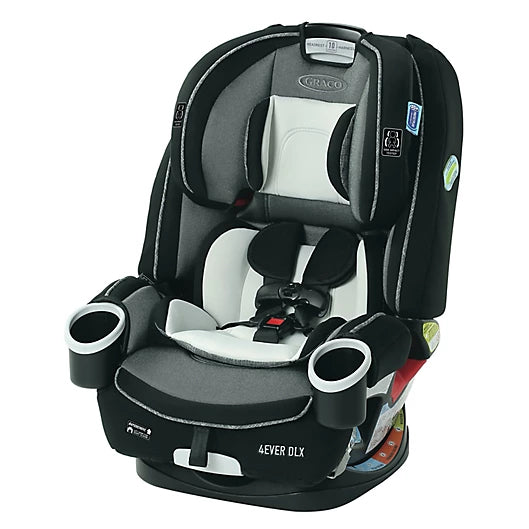
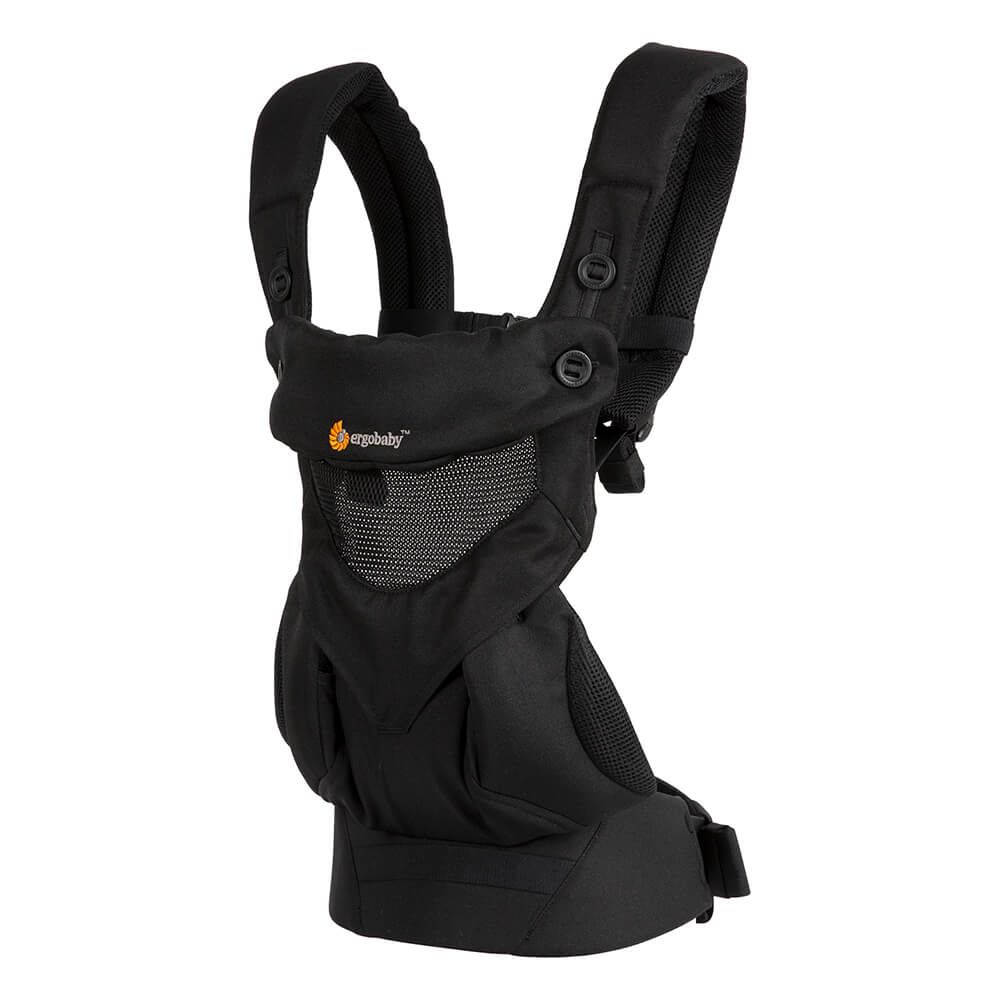
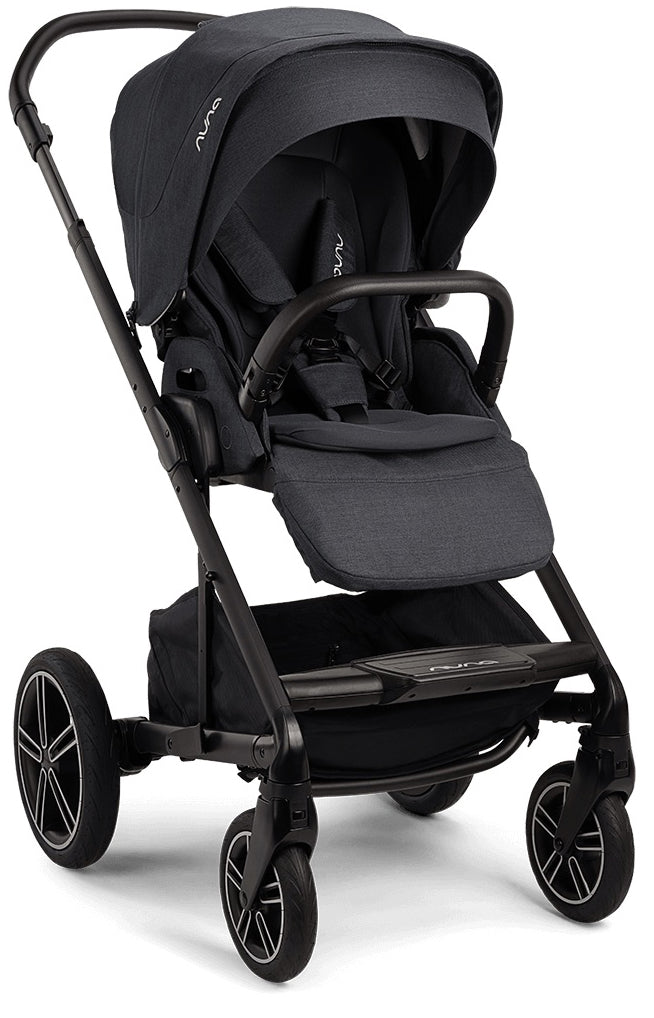
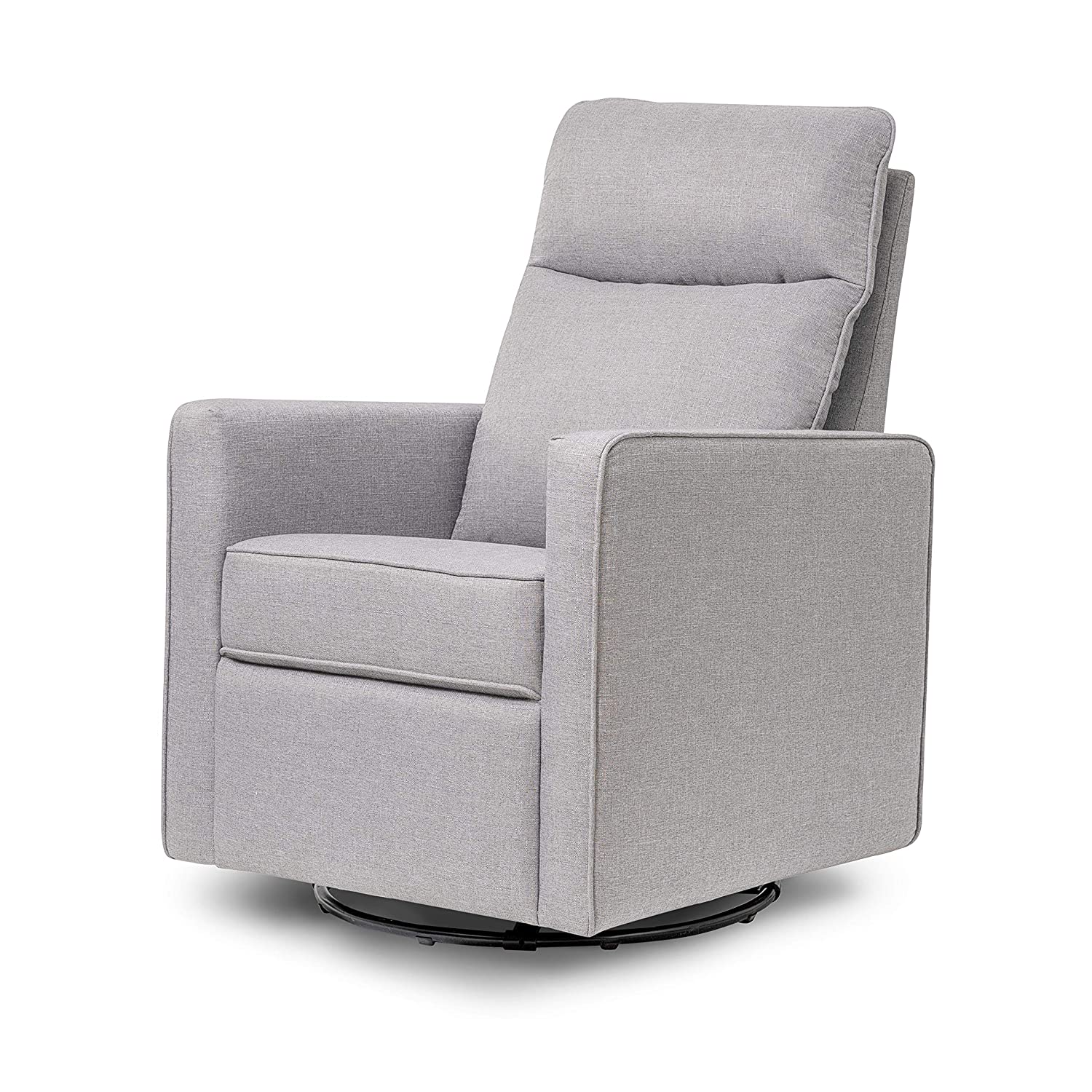
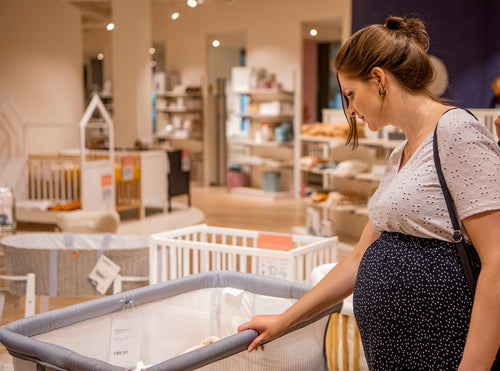
Welcome to the only baby gear buyer's guide you'll need as a new or expecting parent. Maybe you're deep in a late-night scroll session, bleary-eyed and drowning in stroller comparison tabs. Maybe you're standing in someone's garage trying to decide whether that secondhand crib is actually okay to use. Or maybe you're just trying to figure out where to even start.
Either way, this guide has you covered.
Baby gear is one of the most significant purchases you'll ever make, and not just because of the price tags. Unlike most consumer goods, a wrong call here isn't just wasteful or inconvenient. It can be genuinely dangerous. This guide walks you through every major category: what to look for, what to walk away from, and how to make smart decisions without overspending or spiraling into anxiety.
Bookmark this page. Come back to it throughout your entire shopping journey. It's designed to work as a running reference checklist, not a one-and-done read.
The Real Cost of Getting It Wrong
The U.S. Consumer Product Safety Commission (CPSC) recalls hundreds of children's products every single year. Strollers. Car seats. Cribs. Baby monitors. Many of these were aggressively marketed, had glowing reviews, and were bought by perfectly attentive parents who read the packaging carefully and thought they were making a solid choice.
A few extra hours of research before you buy is not paranoia. It is the single most effective thing you can do to protect both your child and your budget.
What This Guide Covers:
- How to read safety certifications and what they actually mean
- Car Seat Buyer's Guide: The Most Critical Decision
- Crib Buyer's Guide: Building a Safe Sleep Environment
- Stroller Buyer's Guide: Finding the Right Fit
- At-Home Essentials: What You Actually Need
- How to Evaluate Baby Gear Brands
- Budget Planning: How to Spend Smart
- Your Pre-Purchase Checklist
- Frequently Asked Questions
Understanding Safety Certifications
Before getting into specific product categories, it helps to understand how the safety certification landscape actually works. Not all certifications carry the same weight, and some mean considerably less than manufacturers want you to believe.
CPSC Compliance: The Legal Baseline
In the United States, every baby product sold commercially must comply with standards set by the Consumer Product Safety Commission. CPSC compliance is not optional; it is the legal floor. Meeting the minimum regulatory standard does not mean a product is the safest available option. It means it cleared the baseline. Check the CPSC recall database at CPSC.gov before purchasing any baby product. This takes about two minutes and can save you from bringing home something that has already been flagged.
Baby Safety Alliance Certification
The Baby Safety Alliance operates a voluntary certification program that tests products against ASTM International safety standards. Critically, Baby Safety Alliance certification requires independent laboratory testing rather than in-house manufacturer self-reporting. Look for the Baby Safety Alliance seal on cribs, strollers, high chairs, and bouncers. It is one of the more trustworthy third-party certifications available.
"Tested to Meet Safety Standards"
This phrase appears constantly in baby product marketing. It sounds authoritative and reassuring. In most cases, it means the manufacturer tested their own product against safety standards without any independent verification. It is not the same as third-party certification. When you see this language, ask yourself: tested by whom, against which specific standard, and is the documentation publicly available?
Car Seat Buyer's Guide: The Most Critical Decision You'll Make
No category of baby gear deserves more careful scrutiny than the car seat. Motor vehicle accidents are a leading cause of child injury and death in the United States, and a correctly installed, properly fitted car seat is your most powerful tool for protecting your child on the road.
Understanding Car Seat Types and Age Ranges
Car seats fall into four main categories:
- Infant-only seats are typically used from birth to around 30 to 35 pounds. They are rear-facing only and often come as part of a travel system that clips into a stroller frame.
- Convertible seats start rear-facing for infants and rotate to forward-facing as your child grows. They generally have higher weight limits and a longer usable lifespan than infant-only seats.
- All-in-one seats are engineered to carry children from infancy all the way through booster age. Fewer transitions, more longevity, and usually a higher upfront cost.
- Booster seats are designed for older children who have outgrown a harnessed seat but are not yet ready to use the vehicle's seat belt alone. There are two types: high-back boosters, which provide head and neck support, and backless boosters, which are suitable for vehicles that already have adequate head restraints. The AAP recommends children use a booster until the vehicle's seat belt fits them correctly, typically when they are at least 4 feet 9 inches tall.
Each type has specific weight and height limits. Never use a car seat beyond its rated parameters, even if the child physically appears to fit.
What to Check Before Buying Any Car Seat
- Verify the seat has not been recalled at CPSC.gov or NHTSA.gov
- Check the expiration date; most car seats expire six to ten years from the manufacture date
- Confirm the weight and height range covers your child's current and near-future measurements
- Evaluate ease of installation; a seat you can consistently install correctly is functionally safer than one you struggle with every time
- Check that the harness adjusts without requiring removal of the entire seat from the vehicle
- Verify compatibility with your specific car using NHTSA's car seat finder tool
Buying a Pre-Owned Car Seat: What You Need to Know
Used car seats carry real risk, and it is risk worth understanding clearly. Any seat involved in a collision, even a minor one, should be replaced immediately. Structural compromise is invisible to the eye. Seats can also be expired, missing components, or subject to an active recall with no way to tell from appearance alone.
That said, not all pre-owned car seats are equal. If you are considering a pre-owned seat, the most important thing to verify is that it has never been installed or used. Whatever the source, always cross-check the model on CPSC.gov and NHTSA.gov before buying.
The American Academy of Pediatrics recommends keeping children in rear-facing car seats for as long as possible, until they reach the maximum height or weight limit specified by the car seat manufacturer.
Installation Is Half the Battle
A significant proportion of car seats in daily use are installed incorrectly. Before leaving the store or finishing the setup at home, look for installation checks. Many local fire stations, police departments, and certified Child Passenger Safety Technicians offer free inspections. Take advantage of them every single time you move the seat to a different vehicle.
Crib Buyer's Guide: Building a Safe Sleep Environment
Safe sleep is one of the most thoroughly researched areas in pediatric health, and the crib you choose is central to getting it right. The AAP's guidance is clear: babies should sleep alone, on their back, in a firm and flat sleep space with no soft bedding, pillows, bumpers, or positioning devices of any kind.
New vs. Secondhand Cribs
The CPSC significantly revised crib safety standards in 2011, banning drop-side cribs and mandating stronger mattress support systems, more durable hardware, and sturdier slat construction. Any crib manufactured before June 2011 does not meet current safety standards and should not be used, regardless of how well-maintained it appears.
For secondhand cribs built after 2011: verify the model has not been recalled, confirm all original hardware is present and undamaged, inspect the mattress support for any cracking or warping, and check that every slat is intact with no gaps wider than 2-3/8 inches (roughly the diameter of a standard soda can).
Open-box cribs from reputable sources are a different story. When premium brands and authorized retailers have overstock or return inventory that passes a hands-on inspection, those products meet the same safety standards as new, just at a lower price point.
What to Look for in a New Crib:
- Baby Safety Alliance certification or ASTM F1169 compliance documentation
- Slat spacing no wider than 2-3/8 inches
- No corner posts that extend above the crib sides, which create entanglement risk
- No decorative cutouts in the headboard or footboard
- A firm mattress support that does not flex or sag under pressure
- Hardware that tightens fully and stays tight through regular use
- Clear assembly instructions; a crib assembled incorrectly is a crib that should not be used
The Mattress Matters as Much as the Crib Itself
Purchase a mattress specifically designed for the crib model you have chosen, or verify that your mattress leaves less than two finger-widths of gap on all sides. A mattress that is undersized creates an entrapment risk. Firmness matters: soft mattresses are directly associated with suffocation risk for infants. Waterproof covers are practical and safe. Thick, plush covers are not appropriate for infants.
Stroller Buyer's Guide: Finding the Right Fit
Strollers are often the biggest-ticket discretionary purchase in the baby gear budget, and they are also the category most susceptible to over-buying. A $1,200 travel system is not inherently safer than a well-built $300 stroller. What matters is matching the right type to your lifestyle and verifying the features that actually count.
Types of Strollers:
- Full-size strollers: Offer the most features, storage capacity, and comfort for baby. They are best for parents who do most of their travel by car and use the stroller for longer outings.
- Lightweight and umbrella strollers: Compact and straightforward to fold. Ideal for travel, urban use, and as a secondary stroller for older babies and toddlers.
- Jogging strollers: Have a fixed front wheel and a suspension system built for running. They are not recommended for infants under six months who cannot yet support their own head. A good match for active parents who want to keep moving.
- Travel systems: Pair a full-size stroller frame with an infant car seat that clicks directly in. Convenient for newborns. Verify that the included car seat is one you would actually choose independently; not all bundled car seats are top performers.
Pre-Purchase Safety Checklist for Strollers:
- Check for recalls at CPSC.gov before purchasing any model
- Test the brakes; they should engage firmly and hold on an incline
- Confirm the harness includes a crotch strap in addition to shoulder straps
- Verify the fold mechanism has a secure locking system so it cannot collapse while a child is seated
- Test stability by pressing down on the handlebar with the seat empty; it should not tip
- Inspect wheel locks, swivel mechanisms, and reclining joints for smooth, secure operation
- If buying a travel system, verify that the car seat clicks into the frame with no wobble
Red Flags in Stroller Shopping
Walk away from any stroller that has a harness with no crotch strap, lacks a parking brake, has a fold mechanism requiring both hands to release while a child is seated, cannot extend the sun canopy past the child's face, or shows any play or wobble in the wheel connections when brand new.
At-Home Essentials: What You Actually Need
Baby marketing is remarkably effective at convincing new parents they need a great many things that, in practice, they will use rarely or never. This section separates genuinely useful gear from expensive clutter.
| 🟢 The True Essentials | Why You Need It |
|---|---|
| Safe Sleep Space | A crib or bassinet meeting current CPSC standards. |
| Baby Monitor | Audio is sufficient for most homes; video is useful for larger spaces or lighter sleepers. |
| Changing Surface | A secured changing pad placed on top of a dresser works just as well as a standalone changing table. |
| Nursing Pillow | If breastfeeding, a firm and well-supported pillow makes a genuine functional difference. |
| White Noise Machine | Research consistently associates white noise with improved infant sleep. |
| Diaper Pail | A sealed unit with odor containment will save you significant daily irritation. |
| 🔴 Products to Confidently Skip | The Red Flags |
|---|---|
| Crib Bumpers | Federally banned in the U.S. under the Safe Sleep for Babies Act and linked to suffocation risk. |
| Sleep Positioners | Associated with infant deaths and actively warned against by the AAP. |
| Wearable Sleep Monitors | Unverified medical claims are not substitutes for established safe sleep practices. |
| Wipe Warmers & Sterilizers | Expensive aesthetic purchases that research shows parents rarely use long-term. |
Beyond sleep and changing, feeding is the next major category of at-home gear. Whether you're starting solids or just need a safe place for the baby to sit during family meals, a high chair is a daily-use item that needs to be sturdy, safe, and easy to clean.
High Chair Buying Checklist
- Five-point harness with crotch strap
- Wide, stable base that does not tip when bumped
- An easy-to-clean tray that is removable and ideally dishwasher-safe
- No gaps between the tray and the seat where a small child's head could become entrapped
- Baby Safety Alliance certification preferred
- Check for recalls before purchasing any specific model
Baby Monitor: What Features Actually Matter
For audio-only monitors, sound quality and range are the only metrics worth evaluating. For video monitors, prioritize: a stable wireless connection that does not drop, a camera with night vision, two-way talk functionality, and a temperature display. Smart features like smartphone integration and lullabies are conveniences rather than necessities, and adding internet connectivity to a baby monitor introduces cybersecurity considerations that basic models avoid entirely.
How to Evaluate Baby Gear Brands
Three Resources to Use Before You Buy Anything
The CPSC recall database at CPSC.gov, the NHTSA car seat ratings database, and the Baby Safety Alliance certified products list. Search any product you're seriously considering in all three before committing. This takes under ten minutes and is the highest-value due diligence step in the entire buying process.
What Recall History Actually Tells You
A single recall, handled transparently and resolved with a clear corrective action, does not automatically disqualify a brand. Many reputable manufacturers have issued recalls at some point. The pattern is what matters: recurring recalls on the same product lines, delayed or poorly communicated responses, or a history of recalls involving serious injuries rather than precautionary fixes all warrant significantly more caution.
Where You Buy Matters
Purchasing baby gear through unauthorized third-party sellers carries risks parents often underestimate: counterfeit products, grey-market items that may not meet U.S. safety standards, voided manufacturer warranties, and limited recourse if something goes wrong. For safety-critical gear, car seats especially, purchase only from authorized retailers or verified sources.
Stork Exchange works directly with trusted premium brands and authorized retailers to source overstock and return inventory. Every item is inspected by hand before it is listed. That peace of mind—knowing exactly where your gear came from and who checked it—is worth looking for wherever you shop.
Where to Find Trustworthy Reviews
- Consumer Reports: rigorous independent testing with no advertising revenue from reviewed brands
- Wirecutter (NYT): thorough hands-on testing with transparent methodology
- Safe in the Seat: a specialist resource focused on car seat safety and installation
- Car Seats for the Littles: a community-driven car seat safety resource, widely respected among parents and safety professionals
- AAP.org: authoritative guidance on which product types align with pediatric safety recommendations
Budget Planning: How to Spend Smart
Where to Prioritize Your Budget
Not all baby gear deserves equal financial weight. Safety-critical categories, including car seats, cribs, and sleep surfaces, warrant spending toward the higher end of your range, because reliability and quality matter most where the consequences of failure are greatest. Aesthetic purchases like nursery decor, wipe warmers, and bottle sterilizers are categories where budget options perform identically to premium ones.
Smart Ways to Save Without Compromising Safety
- Buy secondhand for clothes, toys, and soft goods, where condition is easily evaluated by eye
- Skip the registry items research shows parents rarely use: wipe warmers, bottle sterilizers, and changing tables with built-in storage drawers all have a way of going unused
- For big-ticket gear like strollers, high chairs, and bouncers, open-box and overstock options from verified sources let you access premium brands at a meaningful discount without any guesswork about condition or safety history
Your Pre-Purchase Checklist
Use this checklist before finalizing any major baby gear purchase.
Safety Verification
- Search the product name and model number on CPSC.gov for recalls
- Verify certifications are current and issued by an accredited independent third party
- For car seats: cross-reference NHTSA.gov for the specific model
- Confirm the product meets current, not legacy, safety standards
Quality and Reliability
- Read at least ten reviews written after six or more months of actual use
- Search the specific model in parenting forums for unfiltered real-world feedback
- Verify the brand's recall and complaint history
Practical Fit for Your Life
- Will it fit your car, home, and lifestyle as described?
- Does it grow with your child, or will it be outgrown within a year?
- Are replacement parts and accessories readily available?
- Is assembly something you can complete safely with the included instructions?
Purchase and Support
- Are you purchasing from an authorized retailer or verified source?
- Have you reviewed the warranty terms?
- Have you confirmed the return policy in writing?
- Will you complete the registration card after purchase to receive direct recall notifications?
Frequently Asked Questions
What baby gear do I absolutely need before the baby arrives?
The true must-haves before birth are an infant car seat (required to leave the hospital), a safe sleep space, a firm and flat mattress, a baby monitor, basic feeding supplies, and diapers. Everything else can be assessed after birth once you have a clearer picture of your baby's specific needs and your daily routine.
How do I know if a baby product has been recalled?
Visit CPSC.gov and use the recall search tool with the product name or model number. You can also sign up for email alerts to receive recall notifications automatically. For car seats specifically, register your seat with the manufacturer so they can contact you directly if a recall is issued.
What is the safest type of crib for a newborn?
Any new crib meeting current CPSC standards and bearing Baby Safety Alliance certification is a safe choice. The crib itself matters less than what goes inside it: a firm, flat, crib-specific mattress, no soft bedding, no bumpers, no positioning devices, and your baby always sleeping on their back.
When should I buy baby gear during pregnancy?
The car seat and sleep space should be ready before the baby arrives. For strollers and other supplementary gear, waiting until the second or third trimester gives you a much clearer sense of your actual lifestyle and spatial needs.
Are expensive baby products safer than budget ones?
Not necessarily. Price reflects brand positioning, materials, design features, and marketing investment, not always safety outcomes. A mid-range car seat that passes CPSC and NHTSA standards is not less safe than a premium one that does the same. Focus on certifications, recall history, and real-world long-term reviews rather than price tier when making safety-critical decisions.
What should I look for in a car seat installation?
The seat should not move more than one inch in any direction when gripped at the belt path. The harness should sit at or below the baby's shoulders for rear-facing seats, snug enough that you cannot pinch slack at the collarbone, and the chest clip should rest at armpit level. If you have any uncertainty about your installation, find a certified Child Passenger Safety Technician through SafeKids.org for a free inspection.
Final Thoughts: A Prepared Parent Is a Confident Parent
Baby gear shopping can feel overwhelming precisely because you care about getting it right. That instinct is a good one. Channel it into preparation rather than paralysis.
Use the checklists in this guide. Spend fifteen minutes on CPSC.gov before every major purchase. Test gear in person when possible. Read the reviews written by parents who have been using a product for a year, not a week. And remember that no piece of gear, however expensive or beautifully marketed, replaces your attentiveness, presence, and judgment as a parent.
The categories will shift as your child grows: infant seats give way to convertibles, bassinets give way to cribs, cribs give way to toddler beds. But the framework for evaluating any purchase stays consistent. Come back to this guide as your needs evolve.
You've got this.


